Why Basement Moisture Is a Persistent Problem in Detroit
Living in Detroit means dealing with old infrastructure, heavy spring rains, and a high water table. For homeowners and property managers, a wet basement is more than an inconvenience - it is a structural and health risk. Over the years I have worked on countless homes in neighborhoods from Corktown to the East Side, and the one thing that unites them is the constant battle against dampness. The key is not just reacting to water but understanding how Detroit basement drying fits into a larger moisture management plan. When you treat the symptom without addressing the source, mold and rot will keep returning.
Start With the Source: Water Entry Points
Before any drying equipment runs, you need to stop the water from coming in. In many Detroit homes, the original foundation walls were never waterproofed. Cracks in the basement floor or walls let groundwater seep in after a heavy storm. A basement flood can overwhelm a home in minutes if the sump pump fails or the power goes out. I have seen finished basements ruined because the owner assumed the French drain was clear, only to find it clogged with decades of debris. Checking your sump pump twice a year - especially before spring - can save thousands in cleanup costs. The Detroit Water and Sewerage Department advises homeowners to ensure their sump line discharges away from the foundation, but many properties still have illegal connections that push water back into the ground next to the house.
Grading and Drainage
One of the simplest fixes is regrading the soil around your foundation. If the ground slopes toward the house, rain runs right to the base of the wall. A proper slope of at least six inches over ten feet directs water elsewhere. In older Detroit neighborhoods, the lot grading may have settled over time. After a heavy rain, walk around your foundation and look for puddles within three feet of the wall. That is a sign you need to add fill dirt or extend downspouts further out. A French drain can also help if you have persistent pooling, but it requires digging a trench and installing a perforated pipe with gravel. It is a big job, but it addresses the root cause rather than masking it.

Choosing the Right Drying Equipment
Once the sources of water entry are controlled, you can focus on Detroit basement drying in earnest. The equipment you choose depends on the size of the space, the humidity level, and whether you are dealing with an active leak or just high humidity. For most residential basements, a dehumidifier rated for at least 70 pints per day is the minimum. I have used units from Honeywell and AprilAire that handle medium-sized basements well. For larger spaces or properties that flood repeatedly, a commercial-grade unit like the Santa Fe Compact or the AlorAir Sentinel makes a big difference. These units are built to run continuously and extract more water per day than a typical consumer model.
Desiccant vs. Refrigerant Dehumidifiers
Refrigerant dehumidifiers work well when the basement temperature is above about 60 degrees. In a colder Detroit basement, they lose efficiency quickly. That is where desiccant models shine. They use a material like silica gel to absorb moisture and work well even at lower temperatures. The Dri-Eaz line includes both types, and I have had good results with their desiccant units in unheated crawl spaces. The trade-off is that desiccant units consume more electricity and generate some heat, which can be a benefit in winter but a drawback in summer. You have to weigh your specific conditions. For a finished basement that stays warm year-round, a refrigerant model from AprilAire or Santa Fe is usually the better value.
Containment and Air Filtration
When mold is already present, drying alone is not enough. You need to contain the spores and remove them from the air. Setting up negative air pressure in the affected area prevents spores from traveling to other parts of the house. A HEPA filter rated for mold spores should run continuously during cleanup. I prefer units with a MERV-13 pre-filter to catch larger particles before they reach the HEPA stage, extending the life of the more expensive filter. Some contractors also use UV-C light in the ductwork to kill airborne mold and bacteria. While UV-C can be effective, it only works on air that passes directly over the light, so it is best used in combination with good filtration.
Vapor Barriers and Encapsulation
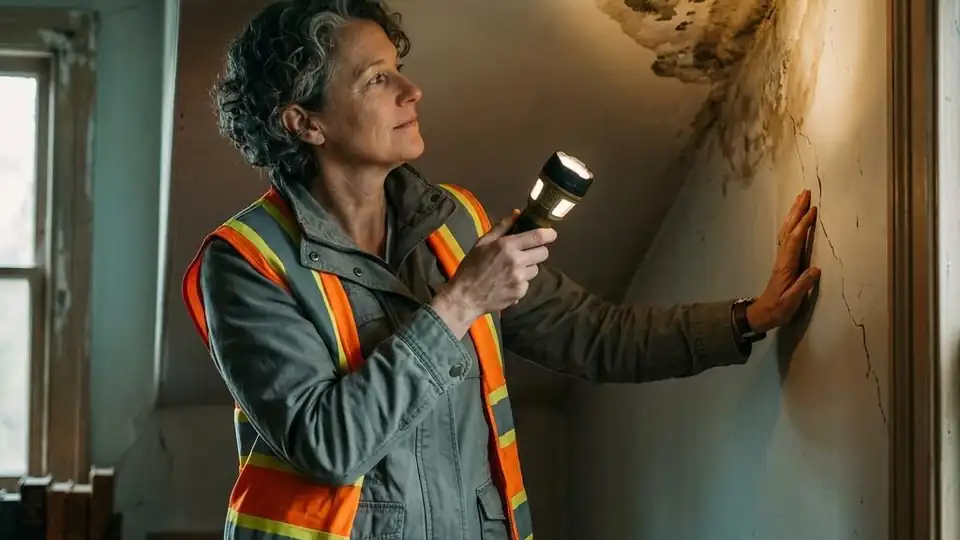
In basements with exposed dirt floors or bare concrete, a vapor barrier is essential. A 6-mil polyethylene sheet laid over the floor and sealed at the seams dramatically reduces moisture rising from the ground. I have been in crawl spaces where the humidity dropped by twenty points after installing a vapor barrier. For concrete walls, encapsulation with a waterproof coating can help, but it is critical to apply the coating to a clean, dry surface. If you seal moisture inside the wall, it will cause spalling and deterioration over time. The EPA recommends testing the wall for moisture content before applying any coating. In some older Detroit homes, the walls are so saturated that encapsulation is not a viable first step. You have to dry the structure out first.
Monitoring and Maintenance
Once you have a system in place, you need to monitor it. A simple hygrometer from Trox or a wireless humidity sensor can alert you when conditions change. I tell my clients to set an alarm for 60 percent relative humidity. Above that, mold growth accelerates. If you see the number climbing, you may need to run the dehumidifier more often or check the sump pump again. The DEHUM 500 from AlorAir has a built-in pump that can drain automatically into a floor drain or sink, which is a huge convenience. Without that feature, you have to empty the tank regularly or it will shut off and the humidity will spike.
Seasonal Adjustments
Detroit basement drying is not a set-it-and-forget-it task. In the summer, humidity outside can be higher than inside, so you want the basement sealed and dehumidified. In the winter, the air is naturally drier, but if you have a crawl space with exposed earth, you may still need a dehumidifier running. I have seen homes where the basement stays dry all summer but gets damp in January because of snowmelt and poor drainage. The IICRC guidelines for water damage restoration recommend checking your basement at least once a month and after every heavy rain. A few minutes of inspection can catch a small problem before it becomes a major remediation project.
When to Call a Professional
Some moisture problems are beyond the scope of DIY drying. If you have a chronic basement flood, standing water that returns after every storm, or visible mold covering more than ten square feet, it is time to bring in a certified mold remediation contractor. The IICRC sets standards for proper containment and drying, and a professional will have industrial-grade equipment like the Dri-Eaz Revolution or the Santa Fe MaxDry that can dry a basement in a fraction of the time. They will also know how to set up negative air pressure correctly and how to dispose of contaminated materials safely. Trying to handle a large mold outbreak without proper training can spread spores throughout your HVAC system, making the problem worse.

Final Thoughts on Basement Drying in Detroit
Detroit basement drying is a process that combines immediate action with long-term planning. From checking your sump pump and French drain to choosing the right dehumidifier and monitoring humidity levels, each step builds on the last. The equipment I have mentioned - Honeywell, AprilAire, Dri-Eaz, AlorAir, Santa Fe, and the DEHUM 500 - all have their place depending on your specific situation. But no machine can replace a dry foundation and good drainage. If you are dealing with a wet basement, start with the basics: stop the water, dry the space, filter the air, and monitor the results. With a methodical approach, you can keep your basement dry and your family safe from mold.